Quick Read: What You’ll Learn
- 01What each setting actually does→
- 02The five-category comparison→
- 03Four-prong vs six-prong vs eight-prong→
- 04Who should choose which→
- 05Hybrid: the half bezel→
Tap any point to jump straight to that section.
Almost every engagement ring uses one of two setting methods: prongs that grip the stone from above, or a bezel that wraps metal around its edge. It sounds like a minor craft detail, but it shapes how the ring looks, how it sparkles, how much daily wear it can handle, and who it works for. Here is what you actually need to know.
Key takeaway
Prongs maximize light entry and sparkle. Bezels maximize security and minimize snagging. For most buyers, 4- or 6-prong settings are the default; bezels are the right choice for active lifestyles, healthcare workers, anyone who works with their hands, or anyone who prefers a modern, low-profile look.
What each setting actually does
Prong setting
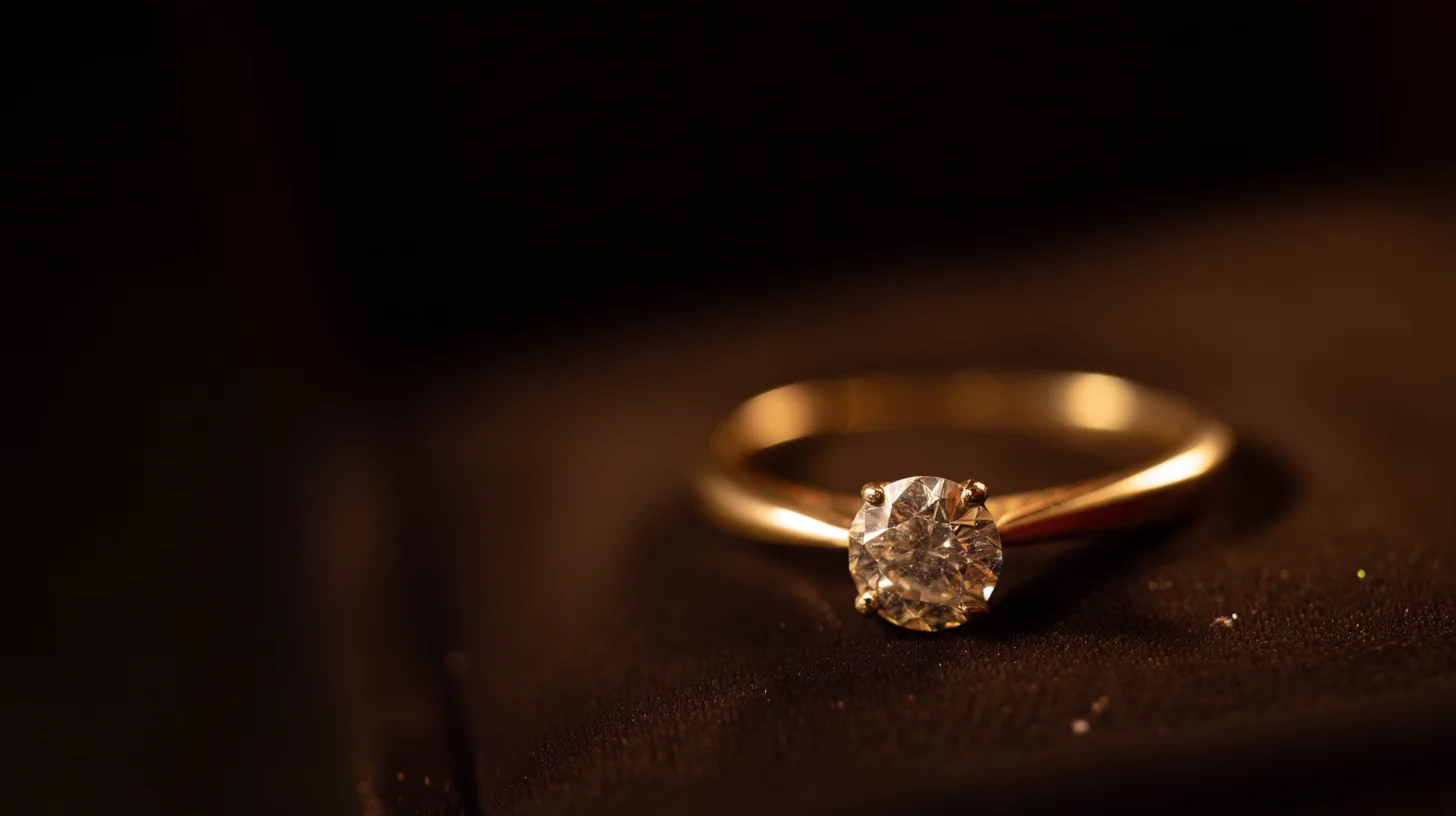
Small metal claws (3 to 8, most commonly 4 or 6) grip the diamond around its girdle (the widest horizontal point). The stone is held in place by tension from each prong, with most of its surface area exposed to light.
Variants include: V-prongs (protect pointed corners on pear, marquise, princess), double-prongs (add security), and tulip-prongs (decorative curves).
Bezel setting
A continuous band of metal wraps around the entire girdle of the stone, holding it by compression against a seat cut into the ring. Variants include: full bezel (metal all the way around), half bezel (metal on two sides only, stone visible from top and two open sides), and tension-set-style (appears to float, with structural metal behind).
The five-category comparison
1. Light entry and sparkle
Prong wins, significantly. A prong setting exposes 90%+ of the diamond’s surface area to ambient light. Light enters the crown, reflects internally off the pavilion facets, and exits back through the crown as sparkle and fire. A full bezel blocks light entering from the sides, reducing the total light in the stone by roughly 10–15%.
At ideal cut and ideal viewing conditions, a prong-set stone appears noticeably more brilliant than a bezel-set one of the same specs. At real-world lighting, the difference is present but smaller than most people expect.
2. Security
Bezel wins, substantially. A prong can bend outward after years of wear, especially if the ring catches on fabric repeatedly. A bent prong can release the stone. This is why jewelers recommend annual prong inspections on engagement rings.
A bezel has no individual failure points. The metal band would have to deform continuously around the entire stone for the diamond to loosen, which requires damage far more severe than what bends a prong.
3. Wearability and snagging
Bezel wins, decisively. Prongs are the #1 reason engagement rings snag on sweaters, hair, gloves, and wound bandages. A well-set bezel is almost completely smooth at the top edge and simply does not catch.
For healthcare workers, massage therapists, chefs, parents with young children, anyone wearing gloves regularly, or anyone working with fabric, a bezel removes a real daily friction that prongs create.
4. Visual size
Prong wins. A bezel frame covers the outermost 0.5–1.5mm of the stone’s diameter under metal, making the stone look roughly 5–10% smaller than it actually is. Prongs take up less visual real estate. A 1-carat stone in a prong setting looks like a 1-carat stone; the same in a full bezel reads closer to 0.9ct.
5. Style and style-age
Depends on taste. Prong settings, especially the classic 6-prong round solitaire, are the most traditional choice. They have not gone out of style in 100 years and will not in the next 100. Bezels read modern, architectural, and deliberate. They have strong aesthetic identity (recently trending up) but are less of a universal default.
90%+
Stone exposure in prong
70%
Stone exposure in bezel
5-10%
Apparent size reduction in bezel
Four-prong vs six-prong vs eight-prong
If you have chosen prong, the number of prongs matters less than people think, but still:
- Four prongs: Slightly more stone visible, slightly less security. The Tiffany-inspired classic. Works beautifully with round, cushion, oval.
- Six prongs: Slightly more security. Often preferred for round stones. The most common engagement-ring setting in the US.
- Eight prongs: Rare. Used for very large stones (3ct+) or for specific decorative styles.
For fancy shapes, prong count is dictated by shape: pear uses 5 (V-tip plus 4), marquise uses 6 (two V-tips plus 4), emerald and radiant use 4 V-corners.
Who should choose which
Pick prong if
- Maximum sparkle is the priority
- The wearer loves a classic, traditional aesthetic
- The ring will see normal office wear, social events, evenings out
- The stone is a round brilliant or other light-performance-optimized cut
Pick bezel if
- The wearer is active, athletic, or works with their hands
- You prefer modern, architectural, editorial aesthetics
- You want near-zero snagging on clothing or fabric
- You never want to think about annual prong-tightening checkups
- Security matters more than maximum sparkle
Hybrid: the half bezel
A half bezel wraps metal around two sides of the stone (typically north-south), leaving east-west open. It gets you partial snag protection and a modern edge while letting more light in than a full bezel. For oval, emerald, or emerald-cut wearers who want the editorial look with better sparkle, this is a strong middle-ground choice.
Common mistakes
1. Dismissing bezel for sparkle reasons
The sparkle loss in a full bezel is real but smaller than most buyers imagine. A well-cut 1-carat VS1-F in a bezel is still dazzling. If your partner works in healthcare or food service, the practical benefit of bezel far outweighs the small sparkle tradeoff.
2. Choosing thin prongs for “elegance”
Very thin prongs snap more easily and bend more quickly. If you want an elegant look without security compromise, ask for tapered prongs (thicker at the base, thinner at the tip). Do not go below 1.2mm prong width at the base for a 1ct+ stone.
3. Not inspecting prongs
If you own a prong-set ring, a jeweler should inspect and re-tighten the prongs every 12–18 months. This is included free at most jewelers. Skipping this is the most common way people lose center stones.
Shop rings by setting style
Browse solitaires, halos, bezels, and east-west settings. Every ring IGI-certified, solid gold, Lifetime Upgrade enrolled.
Shop Engagement RingsFAQs
Do bezels look cheap?
No. A well-made bezel is a craft-intensive setting (more precise metalwork than prong setting) and has been used on luxury engagement rings since the 19th century. Modern bezel rings from Vrai, Catbird, and Mejuri are premium price points. A bezel reads modern, not cheap.
Can I change from prong to bezel later?
Yes, through a jeweler. Re-setting an existing stone into a new bezel typically costs $400–$800. Alternatively, use your Diavlia Lifetime Upgrade credit toward a new ring with your preferred setting.
Which setting is better for a larger diamond?
Either works, but at 2ct+, prong is more common because the stone is already visually dominant and the sparkle matters more. Bezel at 2ct+ looks architectural and deliberate, best for buyers committed to that aesthetic.
Is a bezel easier to clean?
Yes. Prongs trap soap, lotion, and skin cells under the stone over months. Bezels trap far less because the metal seal around the girdle prevents buildup on the pavilion. Both should still be professionally cleaned twice per year.
Do bezels work with every diamond shape?
Almost. Bezel works beautifully with round, oval, emerald, cushion, radiant, and asscher. Pear and marquise bezels are less common because the pointed tips of those shapes are structurally tricky to bezel-set without losing the visual pointed silhouette.
Related reading
Last updated: April 2026.